Introduction
When it comes to enhancing the aesthetics and security of your residential or commercial property, installing a fence is an efficient option. Whether you are looking for a timber paling fence, Colorbond fence, and even a more decorative option like picket fences, making sure safety during installation is critical. The phrase "Security First: Necessary Tips for Do It Yourself Fence Installations" rings real, as incorrect practices can cause injuries or structural failures. In this extensive guide, we will check out numerous elements of do it yourself fence installation, concentrating on safety suggestions while incorporating vital keywords associated with fencing in Australia.
Why You Should Think about DIY Fence Installation
There are several reasons house owners opt for DIY fence setups instead of working with a fence installation company:
Cost Savings: Working with expert fence builders can be costly. By doing it yourself, you can conserve significantly. Control Over Design: You have complete control over the design and product utilized, whether it's aluminium slat fences, tubular metal fences, or more standard options. Satisfaction: Completing a project by yourself provides tremendous complete satisfaction and pride in craftsmanship.However, while embarking on this journey, bear in mind that sticking to safety procedures is vital to avoid accidents.
Understanding Regional Laws and Permits
Researching Regional Zoning Laws
Before you even think of digging holes for your fence posts, inspect regional regulations. In numerous locations of Australia, zoning laws dictate where you can position your fencing and what products are allowable.
- Contact your regional council to gather information. Look up any neighborhood standards that might apply.
Obtaining Required Permits
In some regions, licenses are required before starting construction:
- Confirm if an authorization is necessary by seeking advice from your local council. Failing to get licenses could lead to fines or required elimination of the set up structure.
Choosing Safe Products for Your Fence Installation
Selecting Long lasting Material
Choosing the right products is another crucial component of safe DIY fence installation:
Timber Paling Fences
- Eco-friendly and visually pleasing. Requires routine upkeep but can last decades.
Colorbond Fences
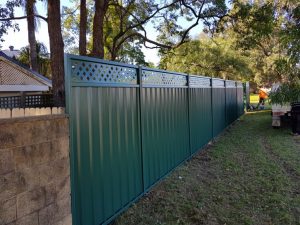
- Highly long lasting and low-maintenance. Excellent option for personal privacy and security.
Aluminium Blade Fences
- Lightweight yet strong. Resistant to rust and corrosion.
Safety Factors to consider with Materials
While selecting products, consider their weight and handling requirements. Constantly wear gloves when dealing with sharp things like metal rods or wood splinters.
Tools You'll Require for Safe Installation
Essential Tools List
Having the right tools not just makes the job simpler but likewise safer:
|Tool|Function|| ----------------------------|-------------------------------------|| Determining Tape|For accurate measurements|| Post Hole Digger|To dig holes for posts|| Level|Makes sure fence posts are straight|| Hammer|For driving nails|| Power Drill|For screwing in brackets|| Safety Safety glasses|Protects eyes from particles|
Personal Protective Equipment (PPE)
Never ignore the significance of PPE:
Gloves: Protect hands from cuts. Safety goggles: Guard eyes from flying debris. Steel-toe boots: Defend against heavy products falling onto feet.Planning Your Fence Layout Safely
Mapping Out Your Residential or commercial property Line
Before starting any manual labor, it's critical to mark where your fence will go:
Use stakes or spray paint to mark the corners. Ensure that these markings align with home lines to prevent conflicts with neighbors.Creating an In-depth Plan
Create a plan that includes:
- Types of fences (i.e., pool fences for security). Gates (like automatic gates or sliding gates).
This structured method lessens errors throughout installation.
Digging Holes Safely
Importance of Proper Hole Depth
The depth of Top Fencing the holes you dig dramatically influences the stability of your fence:
Generally, holes need to be one-third as deep as the height of your post above ground. Ensure you check regional frost line depths if applicable; otherwise, posts might shift over time.Techniques for Safe Digging
When utilizing post hole diggers:
- Stand strongly with feet shoulder-width apart. Use appropriate bending techniques; bend at knees instead of waist.
Installing Posts Securely
Securing Posts with Concrete
Using concrete assists stabilize fence posts successfully:
Mix concrete according to manufacturer instructions. Pour around posts while ensuring they stay plumb utilizing a level.Taking Care Throughout Installation
Always double-check before enabling the concrete to set completely; this guarantees alignment and avoids future issues.
Attaching Panels Safely
Panel Alignment Techniques
Align panels thoroughly in between posts before securing them:
Start at one end and work towards the other. Use clamps to hold them temporarily while changing each section.Fastening Methods
Choose appropriate fastening methods based on product type:
- For timber panels, use screws or nails designed specifically for outside use. For metal panels, guarantee bolts are firmly fastened without overtightening which might trigger warping.
Installing Gates Securely
Gate Placement Considerations
When planning gate positionings (like driveway gates):
Ensure adequate area for swing gates if applicable. Check clearance zones when utilizing moving gates.Installing Automatic Gates
For those thinking about convenience features like automatic gates,
Follow producer standards closely relating to power supply and sensing unit placements. Seek support if electrical work is involved; security first!Maintenance Tips After Installation
Regular Inspections
Once installed, routine examinations keep your fence looking excellent while guaranteeing its longevity:
Look out for indications of wear such as rust on metal fences or rot in wood structures. Tighten loose fittings immediately after finding them to avoid additional damage.Cleaning Your Fence
Keep products tidy by regularly washing them down:
Wood may need staining every few years depending upon exposure conditions. Metal fences might require rust treatments used regularly based upon environmental elements such as seaside air quality in Melbourne locations near beaches.Common Mistakes During DIY Fence Installation
Understanding possible risks can assist guarantee effective setups:
- Ignoring property lines can lead to disagreements with neighbors later down road - always determine twice! Forgetting about drainage may result in water pooling near structures leading ultimately leading into structural damage over time!
By being aware ahead-of-time about these typical errors-- like stopping working to account effectively space required between areas-- you'll likely find success through careful planning!
FAQs About do it yourself Fence Installations
Q1: What kinds of fences are best suited for privacy?
A variety including Colorbond fences, timber paling fences, and even taller choices like privacy screens made from numerous materials work well depending upon individual choice & & community regulations!
Q2: How do I pick in between various kinds of fencing materials?
Consider aspects like sturdiness needed based upon climate conditions (i.e., coastal regions may take advantage of aluminum due resistance deterioration), spending plan restrictions together with visual appeal preferred when making decisions!
Q3: Can I install my own pool fence?
Yes! Simply ensure compliance with local policies surrounding swimming pool fencing requirements which usually need height limitations along additional security functions such as self-closing mechanisms!
Q4: Is it needed hiring professionals after finishing my own installation?
As long you've adhered strictly all safety precautions described above & & followed guidelines correctly there's no reason that would not be positive preserving job independently later too unless more complex repair work emerge down line needing skilled assistance later on!
Q5: What maintenance does my new fence need?
Regular cleaning affordable top fencing is necessary-- particularly wood ones needing stain treatment approximately every couple of years-- however also check fittings regularly inspecting tightness guarantee durability protecting overall appearance throughout its life-span too!
Q6: How high can I build my fence without requiring a permit?
Height limitations vary by area-- normally around 1-- 2 meters-- however absolutely inspect regional zoning laws before building begins since regulations differ extensively throughout regions including Melbourne itself too!
Conclusion
In conclusion, "Safety First: Vital Tips for DIY Fence Installations" encapsulates whatever from comprehending policies through selecting suitable materials while emphasizing safe practices throughout each step taken during setups themselves! With diligence & & understanding gotten here today combined hard work ahead-- it's possible not only create lovely improvements any landscape but also keep peace mind understanding done safely comfortably! Happy fencing!